
Polymer selection: which compound for which job
| Polymer | Key property | Typical use |
|---|---|---|
| EPDM | Ozone, weather, heat and steam resistance; wide hardness range | Seals and profiles, bellows, coolant hose, outdoor parts |
| NBR | Oil and fuel resistance, low swelling | Oil seals, hydraulic seals, fuel-line parts, diaphragms |
| SBR / NR | High mechanical strength, abrasion and dynamic fatigue resistance | Anti-vibration mounts, bellows body, cord coating, general technical parts |
| CR (Neoprene) | Balanced oil and weather resistance, flame-retardant formulations possible | Bellows, belts, hose covers, rubber-to-metal bonded parts |
Once the polymer is chosen, the recipe is completed with filler (carbon black or mineral), plasticiser, protective package and cure system. Sulphur systems give high flexibility in dynamic parts; peroxide cure is preferred for EPDM and NBR applications that demand heat-ageing and compression-set performance.
What to include in your specification
- Shore A hardness and tolerance
- Tensile strength and elongation at break targets
- Service temperature range and contact media (oil, fuel, water, air)
- Compression set, ageing or ozone requirements
- Moulding method and cycle temperature (cure rate is tuned accordingly)
- FDA/RoHS or other special requirements
If you have a customer specification or an OEM standard (for example automotive seal or bellows norms), the recipe is designed directly to that standard and validated with a laboratory report.
Repeatability: automation and testing
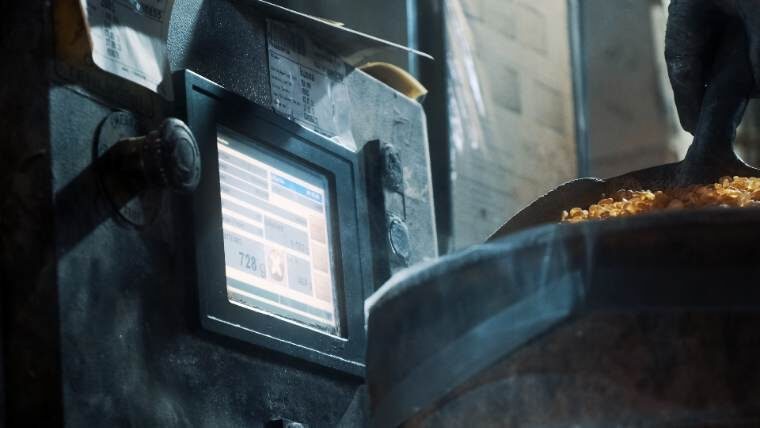
In technical compounds, batch deviation becomes scrap in the mould. At Metekim, vacuum carbon-black automation, raw-material weighing automation and oil-feeding automation ensure every batch is produced to the same recipe; no batch ships without rheometer, Mooney and hardness testing. Our test methods.
Delivery
Technical compounds are delivered as calendered sheet, strip or slab, and on request as masterbatch (without cure system) and final compound. Calendered options.
Frequently asked questions
How do I choose between EPDM and NBR?
If the part contacts oil or fuel, NBR; if it works outdoors, in ozone, hot water or steam, EPDM. Where both are needed we review the specification together.
Do you produce peroxide-cured EPDM?
Yes. Peroxide-cured EPDM and NBR recipes are designed for applications that require heat-ageing and compression-set performance.
Can you hold a specific hardness tolerance?
The recipe is designed to the target hardness and Shore A is measured on every batch; the tolerance is set to your specification.